When it comes to home maintenance and repairs, the right fastener can make all the difference. Imagine trying to fix a leaky faucet with a rubber band—it’s not going to end well. Fasteners are the unsung heroes that hold everything together, from squeaky floorboards to wobbly furniture. But with so many options out there, how does one choose the right one?
Types of Fasteners for Home Maintenance
Choosing the right fastener impacts the durability and safety of home repairs. Several types of fasteners are commonly used for various home maintenance tasks.
Screws
Screws provide excellent holding power and are ideal for woodworking projects. The threads cut into material create a secure fit, making them suitable for furniture assembly and cabinetry. Various types of screws exist, such as wood screws, sheet metal screws, and lag screws, each designed for specific applications. Homeowners often prefer screws for their ability to be removed and replaced without damaging the surrounding material.
Nails
Nails are widely used for framing and finish work because they drive deeply into materials. They’re available in different sizes and types, including common nails, finishing nails, and roofing nails. Home repair enthusiasts favor nails for tasks like attaching shingles or constructing frames. The speed of installation contributes to nails being a popular choice for quick fixes and larger projects alike.
Bolts
Bolts deliver high strength and resistance to shear forces, making them suitable for heavy-duty applications. They typically require a nut for securing, ensuring stability in applications like installing shelves or securing structural components. Various sizes and lengths cater to different projects, enabling homeowners to select the appropriate bolt for their needs. They’re often used where high levels of stress exist, ensuring reliability over time.
Anchors
Anchors play a crucial role when fastening items to walls, especially with drywall or masonry. They provide reinforcement for screws, ensuring they hold items securely in place. Types such as toggle bolts, plastic anchors, and sleeve anchors exist, targeting different applications. Homeowners often choose anchors for mounting shelves, pictures, or heavy appliances, boosting confidence in their installations.
Factors to Consider When Choosing Fasteners
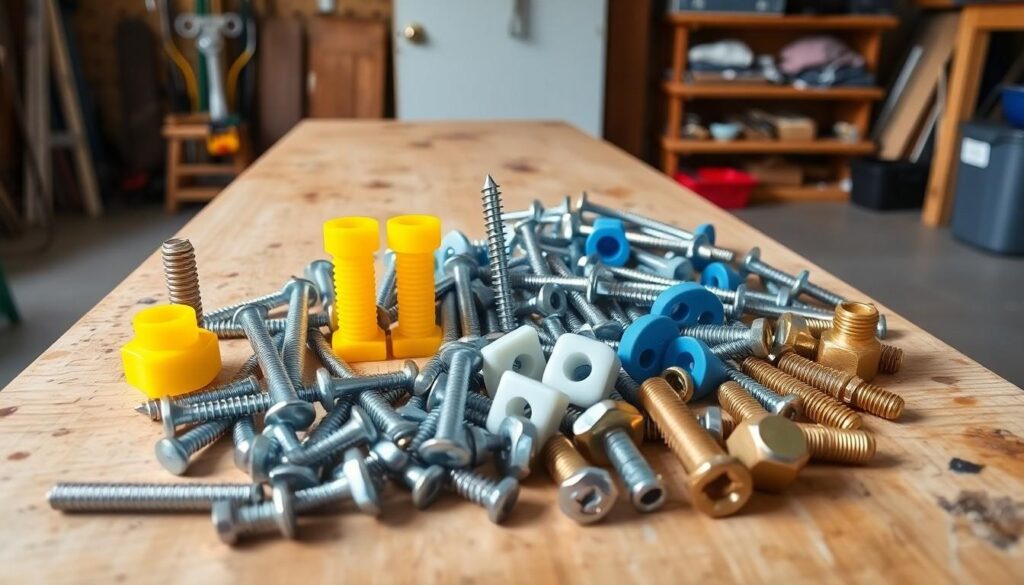
Choosing the right fastener involves multiple considerations that impact durability and performance.
Material Type
Material type plays a significant role in fastener selection. Stainless steel offers corrosion resistance, making it ideal for outdoor use. Galvanized steel provides a layer of protection against rust, suitable for areas exposed to moisture. Plastic fasteners work well in applications requiring light loads and resistance to environmental factors, while brass fasteners add aesthetic value, particularly in decorative projects. Using a fastener suited to the material of the components being joined enhances longevity and effectiveness.
Load-Bearing Capacity
Load-bearing capacity determines how much weight a fastener can support. Screws excel in holding power, making them suitable for heavy-duty applications, such as securing shelves. Nails handle lighter loads effectively, providing a quicker solution for framing tasks. Bolts accommodate much heavier weights, especially when paired with appropriate nuts, making them ideal for structural repairs. Anchors enhance screw stability in drywall or masonry, ensuring that shelves carry the desired weight without failure.
Environmental Conditions
Environmental conditions significantly influence fastener performance. Fasteners used in high-moisture areas require corrosion resistance to prevent deterioration; thus, stainless steel or brass options are preferred. In dry climates, standard steel may suffice, as rust isn’t a concern. Additionally, fasteners exposed to extreme temperatures must withstand thermal expansion and contraction, ensuring durability. Choosing fasteners designed for specific environmental conditions maximizes their reliability and effectiveness in home maintenance projects.
Common Applications in Home Repair
Fasteners play a vital role in various home repair tasks. Understanding their applications enhances project success.
Drywall Installation
Fasteners secure drywall sheets to framing structures, ensuring stability. Common choices include screws and anchors, which provide excellent grip in walls. Using drywall screws, professionals achieve a strong hold that minimizes the risk of popping. Anchors supplement screws when mounting items on drywall, distributing weight evenly to prevent damage. Selecting the right fastener type for specific wall conditions leads to optimal results.
Furniture Assembly
In furniture assembly, fasteners ensure stability and longevity. Typically, screws, dowels, and cam locks facilitate strong connections. Screws secure major components, maintaining structural integrity under stress. Dowels create seamless joints, enhancing aesthetics in visible areas. Cam locks allow for easy disassembly and reassembly, offering flexibility for future moves or adjustments. Choosing appropriate fasteners strengthens furniture and prolongs its lifespan.
Outdoor Projects
Outdoor projects demand fasteners that withstand environmental challenges. Stainless steel screws and bolts excel due to their corrosion resistance, making them ideal for decks, fences, and furniture. Concrete anchors serve well when securing items to masonry, adding strength to installations like planters or outdoor lights. Properly selecting these fasteners ensures they endure weather elements, maintaining performance and appearance over time.
Tips for Using Fasteners Effectively
Utilizing the right techniques and tools ensures successful fastener applications in home maintenance projects.
Proper Tools Required
Having the appropriate tools significantly contributes to effective fastener installation. A drill with various bit sizes accommodates different screw types, providing versatility. A hammer is essential for driving nails quickly and efficiently. Pliers serve well for manipulating bolts and nuts, enhancing grip when needed. Additionally, a level helps ensure that items installed remain aligned and secure. Invest in a stud finder to locate secure anchoring points in walls. Each tool plays a crucial role in achieving a safe and professional finish in repair tasks.
Techniques for Secure Fastening
Employing proper techniques maximizes the effectiveness of fasteners. Begin by pre-drilling holes for screws to prevent wood from splitting. Avoid using too much force when driving screws or nails, as this could damage the material. When working with bolts, ensure that nuts are tightened adequately to create a firm connection. Opt for the correct fastener length for the intended application, as inadequate length may compromise stability. For anchors, follow the manufacturer’s instructions closely to ensure optimal load-bearing capacity. Practicing these techniques helps to secure installations and prolongs the life of repairs.
Choosing the right fasteners is essential for any home maintenance or repair project. The right fastener not only ensures stability but also enhances the longevity of repairs. Whether it’s screws for woodworking or anchors for drywall, each type has its specific application that can make or break a project.
By understanding the unique properties of screws, nails, bolts, and anchors, homeowners can make informed decisions that lead to successful outcomes. Proper selection and usage of fasteners tailored to the task at hand can significantly improve the quality of repairs. With the right tools and techniques, anyone can achieve a professional finish in their home projects.