Home maintenance inspections might not sound like the most thrilling weekend activity, but they’re the unsung heroes of homeownership. Picture this: you’re sipping coffee while a skilled inspector uncovers potential issues hiding in the shadows of your home. From sneaky leaks to electrical gremlins, a thorough inspection can save homeowners from costly surprises down the line.
What Is Home Maintenance Inspection?
Home maintenance inspection involves a thorough evaluation of a property’s condition. Inspectors assess various systems and components to identify maintenance needs and potential problems. Common areas of inspection include roofing, plumbing, electrical systems, HVAC units, and structural elements.
An inspection typically includes checking for water damage, mold presence, and pest infestations. Inspectors monitor both the interior and exterior of the home to ensure all areas meet safety standards. Identifying issues early helps homeowners prioritize repairs before they escalate.
Inspection frequency can vary. Many homeowners schedule inspections annually, while others may opt for them every few years. Real estate professionals recommend conducting an inspection before buying or selling a property for transparency.
The benefits of a home maintenance inspection are significant. They provide homeowners with peace of mind by ensuring all systems function correctly. Homeowners can save on future repair costs by addressing minor issues before they become major concerns.
Certain signs may indicate the need for an inspection. Frequent plumbing leaks, inconsistent temperature control, and unusual electrical sounds should prompt immediate evaluation. Staying proactive contributes to the overall health and longevity of a home.
A home maintenance inspection serves as a valuable tool for homeowners. Regular assessments ensure a safe living environment and protect investment value over time. Investing in an inspection is wise for anyone dedicated to maintaining their property’s condition.
Importance of Home Maintenance Inspection
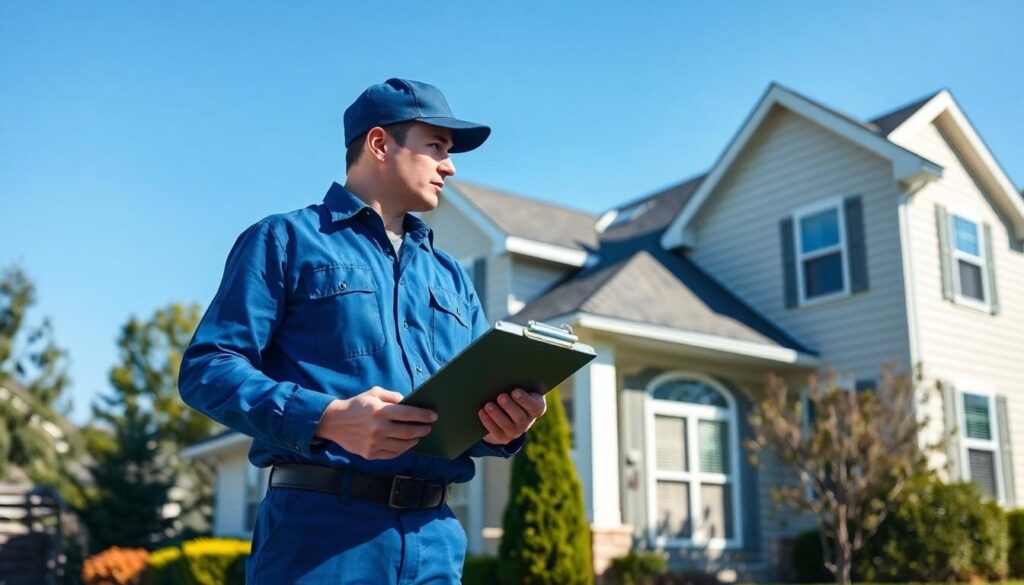
Home maintenance inspections are vital for ensuring a property remains in excellent condition. Regular assessments identify issues early, keeping homes safe and functional.
Preventive Measures
Preventive measures significantly benefit homeowners. Inspectors thoroughly evaluate roofing, plumbing, electrical systems, and HVAC units, catching potential problems before they escalate. Water damage detection plays a crucial role, as it can lead to mold and other hazards. Addressing plumbing leaks early prevents costly repairs down the line. An inspection also monitors structural integrity, ensuring safety and compliance with standards. Homeowners should schedule these inspections regularly to prioritize necessary repairs and enhance the longevity of their properties.
Cost-Effectiveness
Cost-effectiveness is a key advantage of home maintenance inspections. They help homeowners save money by identifying minor issues before they develop into major repairs. Unforeseen costs linked to significant issues can quickly add up. Conducting inspections has been shown to provide peace of mind, knowing potential problems are addressed proactively. Additionally, homes that are well-maintained typically retain higher market values. By investing in regular inspections, homeowners can secure long-term savings and maintain the overall health of their properties.
Key Areas to Inspect
Home maintenance inspections focus on several key areas to maintain the property’s integrity. Homeowners need to ensure thorough assessments of both exterior and interior components as well as critical systems.
Exterior Inspection
Inspectors survey the roof for missing shingles, cracks, or signs of water damage. They assess gutters for clogs or deterioration. Windows receive scrutiny for proper sealing and potential air leaks. Landscaping gets evaluated for drainage issues that could affect the foundation. Any area showing deterioration requires immediate attention to prevent further damage.
Interior Inspection
Interior inspections involve checking for visible signs of leaks, mold, or pests. Inspectors assess walls and ceilings for cracks and water stains. Floors undergo evaluation for signs of sagging or wear. They also check for adequate ventilation in rooms to ensure air quality. Electrical outlets and light fixtures receive attention to verify functionality and safety.
System Inspections
Systems like plumbing, electrical, and HVAC are crucial to inspect. Inspectors check plumbing for leaks, corrosion, and proper drainage. They ensure electrical systems comply with safety standards and function effectively. HVAC units require assessment for efficiency and necessary maintenance. Detecting issues within these systems early prevents costly repairs and promotes overall home safety.
Tips for Conducting a Home Maintenance Inspection
Conducting a home maintenance inspection effectively requires careful planning and attention to detail. Following these practical tips ensures a thorough evaluation of your property.
Checklist Creation
Start by compiling a comprehensive checklist tailored to the home’s specific systems and components. Include items like roofing, plumbing, and electrical systems on the list. Incorporating sections for both exterior and interior inspections promotes thorough evaluations. Designate particular areas to revisit regularly, such as inspecting for mold or signs of pests. Prioritize essential components that impact safety and efficiency over minor aesthetics. Keeping the checklist organized aids in systematic inspections and streamlines problem identification.
Professional Help vs. DIY
Deciding between hiring a professional and conducting a DIY inspection involves weighing various factors. Professionals often provide extensive expertise and knowledge, adept at detecting complex issues. Opting for a pro’s services ensures thorough assessments, especially in intricate systems like electrical or plumbing. DIY inspections offer cost savings and allow homeowners to develop familiarity with their properties. However, tackling significant problems without experience may lead to oversight. Weighing the complexity of potential issues against personal skill levels guides homeowners in making informed decisions.
Home maintenance inspections are vital for preserving the integrity and safety of a property. By identifying hidden issues early on, homeowners can prevent minor problems from escalating into expensive repairs. Regular inspections not only provide peace of mind but also enhance the overall value of the home.
Investing time and resources into these evaluations ensures that a home remains functional and comfortable. Whether opting for professional help or conducting a DIY inspection, the benefits of staying proactive in home maintenance are undeniable. Ultimately, a well-maintained home is a happy home, leading to long-term satisfaction for its occupants.