In the heart of America, where cornfields meet creativity, Midwest commercial interiors are redefining the workspace. Gone are the days of dull cubicles and uninspired break rooms. Today’s Midwest designers blend functionality with flair, transforming offices into vibrant environments that inspire productivity and innovation.
Overview of Midwest Commercial Interiors
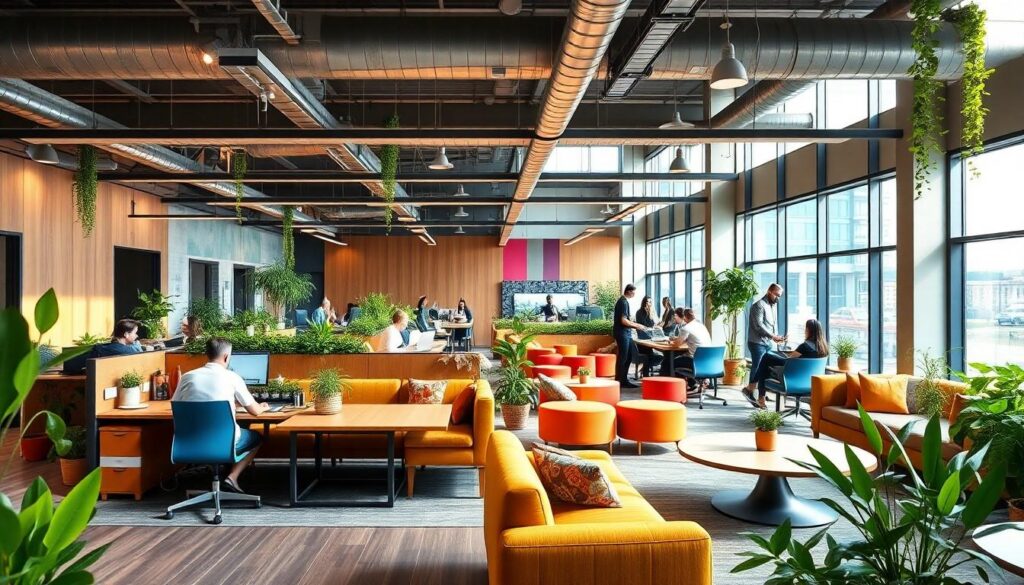
Midwest commercial interiors reflect a dynamic evolution in workspace design. Designers prioritize creating spaces that promote collaboration and enhance employee well-being. Innovative layouts characterize modern offices, showcasing flexible workstations and inviting lounge areas.
Sustainable materials frequently appear in these designs, demonstrating a commitment to environmental responsibility. Natural light plays a crucial role, with large windows often integrated into the architecture to boost mental health and productivity. Color palettes are chosen to inspire; earthy tones and vibrant accents create an energizing atmosphere.
Technological integration remains essential in these interiors. Advanced equipment and smart technologies streamline operations and improve efficiency. Spaces are not just functional; they also communicate values and the company’s brand identity.
Designers in the Midwest embrace local culture in their projects. This regional significance helps reflect community values while fostering a sense of belonging within the workplace. Adaptability is key, as many organizations now seek designs that can evolve with changing business needs.
As these trends continue, commercial interiors in the Midwest will remain at the forefront of innovation, setting new standards for how work environments are perceived and utilized.
Design Trends in Midwest Commercial Interiors
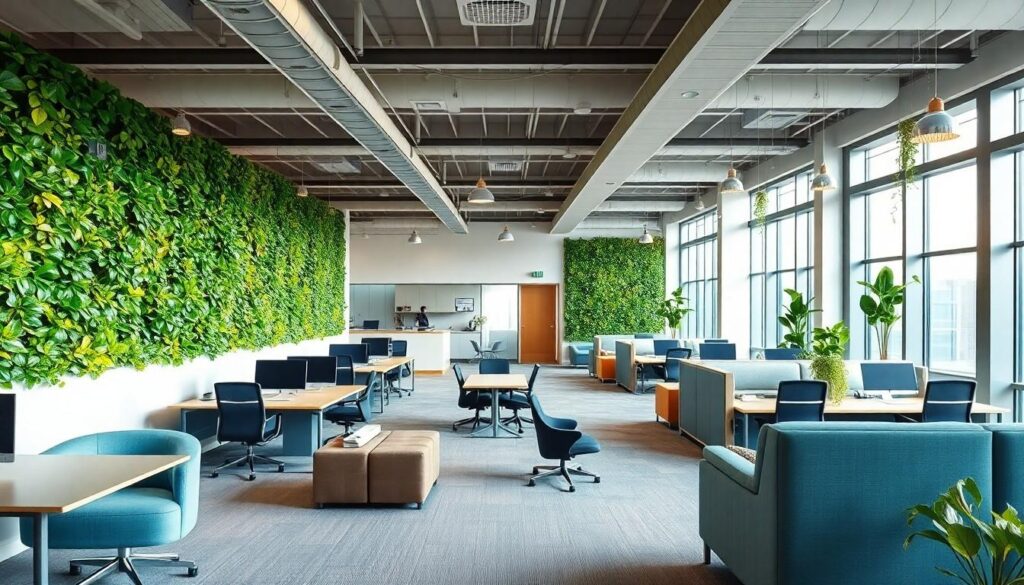
Midwest commercial interiors embrace innovative trends that focus on sustainability and space optimization. Designers prioritize environments that foster productivity and employee well-being.
Sustainable Design Practices
Sustainable practices dominate interior design choices, emphasizing eco-friendly materials and energy-efficient solutions. Designers source reclaimed wood, recycled metals, and sustainable fabrics to create appealing spaces. Green certifications, such as LEED, often motivate firms to adopt sustainable initiatives. Incorporating plants and green walls enhances air quality while providing aesthetic benefits. Designers also utilize natural light strategically, reducing energy consumption and enhancing mood. The integration of technology, such as smart lighting and energy management systems, showcases commitment to sustainability.
Innovative Space Utilization
Innovative utilization of spaces transforms traditional layouts into multipurpose environments. Flexible workstations accommodate varying team sizes and activities, promoting collaboration. Designers implement modular furniture that adapts easily to changing needs without sacrificing style. Open-plan designs encourage interaction, while quiet zones provide focus areas for deep work. Community spaces, including lounges and cafes, serve as hubs for creativity and connection. Implementing zoning strategies distinguishes between collaborative and individual work areas, enhancing functionality within the workspace.
Key Players in the Midwest Commercial Interiors Market
The Midwest commercial interiors market thrives due to innovative designers and groundbreaking projects. Key players foster creativity, functionality, and sustainability in workspace design.
Notable Designers and Firms
Leading designers and firms significantly impact the Midwest’s commercial interiors landscape. Firms such as Gensler and Perkins&Will are at the forefront, driving transformative design. Local firms like RATIO and HOK concentrate on sustainability and community integration. Each firm emphasizes unique cultural aspects, prioritizing employee well-being and collaboration in their projects. Designers leverage modern technologies to enhance workplace efficiency, ensuring a seamless blend of aesthetics and functionality.
Major Projects and Their Impact
Several major projects have reshaped the Midwest commercial interiors scene. The Chicago Merchandise Mart exemplifies successful collaboration and innovation, showcasing adaptable spaces for various business needs. Projects like the MassChallenge workspace in St. Louis promote entrepreneurial growth by providing flexible environments. The impact of these projects extends beyond design; they set benchmarks for sustainability and user experience. Transformations in these spaces embody the region’s commitment to enhancing workplace dynamics while reflecting local culture and values.
Challenges Facing Midwest Commercial Interiors
Midwest commercial interiors face various challenges that impact design and functionality. These challenges stem from economic factors and regulatory considerations that influence the industry’s direction.
Economic Factors
Economic fluctuations significantly affect investment in commercial interiors. Businesses often prioritize cost-effective solutions, which can limit ambitious design projects. Budget constraints make sustainable materials and innovative technology less accessible for many companies. Despite challenges, the demand for adaptable spaces remains strong, as firms desire environments that attract talent and enhance productivity. Navigating these economic landscapes requires designers to be resourceful and develop creative, budget-conscious strategies. A focus on maximizing value while embracing flexibility becomes essential for maintaining competitive advantages in a fluctuating market.
Regulatory Considerations
Regulatory considerations also play a crucial role in shaping Midwest commercial interiors. Compliance with local building codes, environmental regulations, and accessibility standards is mandatory for successful projects. Varying requirements across states can create complexities for designers and contractors. Ensuring that designs meet safety and sustainability benchmarks often adds layers of complexity to projects. Incorporating these regulations early during the design process promotes efficiency and reduces the risk of costly redesigns. Understanding and adapting to these legal frameworks is vital for creating spaces that are both functional and compliant, ultimately influencing the overall success of commercial interior projects.
Midwest commercial interiors are undergoing a remarkable transformation that prioritizes creativity and functionality. As designers embrace sustainable practices and innovative layouts, they’re not just enhancing workspaces but also improving employee well-being. The emphasis on collaboration and adaptability reflects a broader understanding of what modern workplaces should represent.
Key players in the industry are setting new benchmarks for design that honor local culture while meeting the demands of today’s businesses. Despite economic challenges, the commitment to creating vibrant, efficient spaces remains strong. The future of commercial interiors in the Midwest looks bright as it continues to evolve, shaping environments that foster productivity and community engagement.