When the lights flicker and the storm clouds gather, a whole home generator becomes the unsung hero of the household. But like any superhero, it needs a little TLC to keep saving the day. Neglecting generator maintenance is like letting Batman forget his gadgets—trouble is bound to follow.
Importance of Whole Home Generator Maintenance
Regular maintenance of a whole home generator ensures reliability during power outages. Neglecting this aspect often leads to unexpected failures when they are most needed. A generator that isn’t maintained properly could generate insufficient power or cease functioning entirely.
Preventive checks, such as oil changes, battery inspections, and air filter replacements, keep the generator in peak condition. In turn, these actions extend the unit’s lifespan significantly. Scheduled maintenance allows for the identification of potential issues before they escalate into costly repairs.
During a power outage, residents depend heavily on their generators. They must operate reliably to provide essential energy for heating, cooling, and powering appliances. Frequent maintenance minimizes the risk of failure during these critical moments.
Statistics show that approximately 70% of generator issues arise from inadequate maintenance. This underscores the need for regular inspections and tune-ups. Owners must prioritize routine service to ensure optimal functioning.
Moreover, maintaining a generator can enhance its efficiency. An efficient generator consumes less fuel and saves on operational costs. By investing time into maintenance, households can enjoy peace of mind along with long-term savings.
Staying proactive about maintenance not only guarantees generator performance but also protects homeowners from the inconveniences of extended outages. Proper care results in increased readiness for unforeseen events caused by inclement weather or power grid failures.
Common Issues in Whole Home Generators
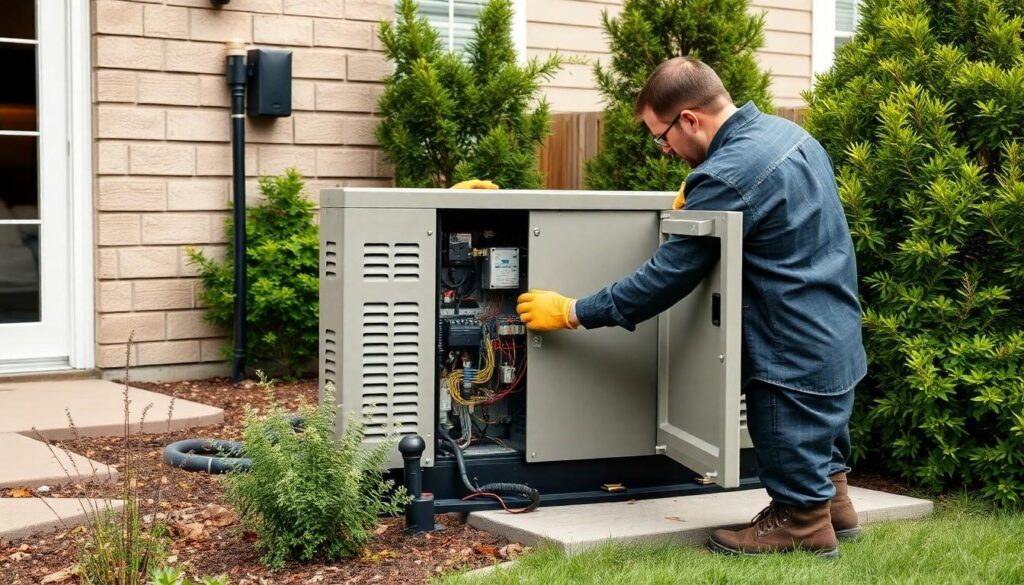
Common issues can arise in whole home generators despite regular maintenance. Addressing these problems promptly prevents unnecessary disruptions during outages.
Electrical System Problems
Electrical system problems often manifest as failure to start or inconsistent power output. Faulty wiring, corroded connections, or defective circuit breakers contribute to these issues. Inspecting connections regularly keeps them secure and functional. Additionally, voltage fluctuations might indicate deeper electrical complications. Resolving these issues early safeguards against potential generator failure during critical times.
Fuel System Issues
Fuel system issues can severely impact generator performance. Clogged fuel filters or stale fuel often lead to poor engine performance or starting difficulties. Regularly replacing the fuel filter ensures a steady fuel supply. Furthermore, inspecting fuel lines for leaks is crucial to maintaining efficiency. Fuel quality also matters; using fresh fuel prevents degradation and maintains optimal generator function. Addressing these concerns helps avoid future costly repairs and maintains reliability during power outages.
Maintenance Checklist for Whole Home Generators
Maintaining a whole home generator requires attention to various components, ensuring reliability when needed. Regular check-ups play a vital role in sustaining optimal performance.
Regular Inspection
Conduct routine inspections to identify potential problems early. Inspect electrical connections for corrosion and secure any loose wiring. Check for signs of wear on components, and listen for unusual noises during operation. These proactive measures can prevent failures during power outages, addressing about 70% of maintenance-related issues. Include fuel and oil levels in these assessments. Keeping a detailed log of inspections helps track performance and maintenance history.
Fuel Quality Maintenance
Ensure fuel quality remains high for efficient generator function. Use fresh fuel to avoid degradation that may lead to performance issues. Replace fuel filters regularly, as clogged filters can hinder fuel flow and cause operational problems. Monitor fuel storage conditions to prevent contamination with water or debris. Stale fuel contributes to generator inefficiency, so maintaining a consistent fuel rotation strategy helps mitigate this risk.
Battery Care
Maintain the battery in peak condition to guarantee reliable starts. Inspect battery terminals for corrosion and clean them as needed. Checking battery charge levels regularly keeps the generator ready for use. Replace batteries every three to five years, depending on the manufacturer’s guidelines. A well-maintained battery directly impacts the generator’s performance and overall reliability during an outage.
Professional Maintenance Services
Professional maintenance services play a vital role in keeping whole home generators functioning optimally. They ensure generators remain reliable during power outages by providing expertise and specialized tools.
When to Hire a Professional
Indicators for hiring a professional include unusual noises, frequent starting issues, or a decrease in power output. Homeowners may prefer professional help when they’re unable to identify the root cause of persistent problems. Additionally, after significant weather events, it’s wise to get a technician to inspect the generator for hidden damages. If routine maintenance hasn’t occurred in over a year, scheduling a professional service ensures all components receive thorough checks. Professionals bring knowledge of specific generator models, helping maintain equipment efficiency and longevity.
Benefits of Professional Maintenance
Investing in professional maintenance offers numerous benefits. Experts can quickly identify potential issues, reducing the risk of costly repairs. Scheduled services promote optimal performance, leading to fuel efficiency, which saves money in the long run. Professionals often provide comprehensive inspections that cover both mechanical and electrical systems, catching problems others might overlook. Access to specialized tools allows for more effective troubleshooting and repairs. Meeting the manufacturer’s maintenance schedule keeps warranties valid, providing further financial security for homeowners. Additionally, professional services can enhance a generator’s lifespan, ensuring it provides reliable power during critical times.
Maintaining a whole home generator is essential for ensuring reliable power during outages. Regular inspections and preventive care not only enhance performance but also extend the generator’s lifespan. Homeowners who prioritize maintenance can avoid costly repairs and enjoy peace of mind knowing their generator is ready when needed most.
Investing in professional services when issues arise can further safeguard against unexpected failures. By staying proactive and attentive to their generator’s needs, homeowners can navigate power disruptions with confidence, knowing they’ve taken steps to protect their homes and families.