Table of Contents
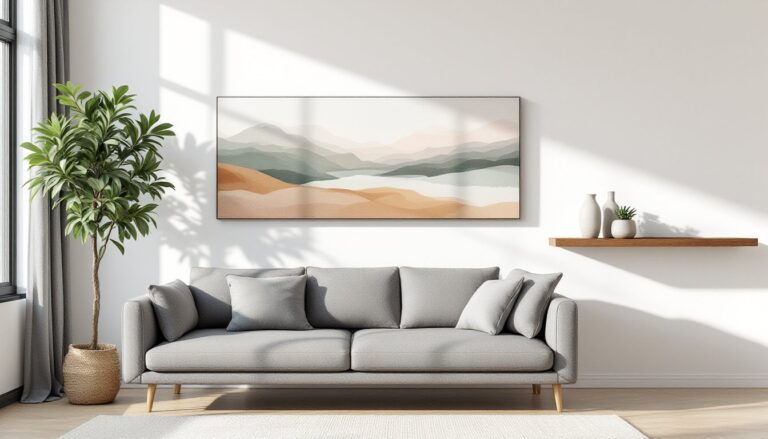
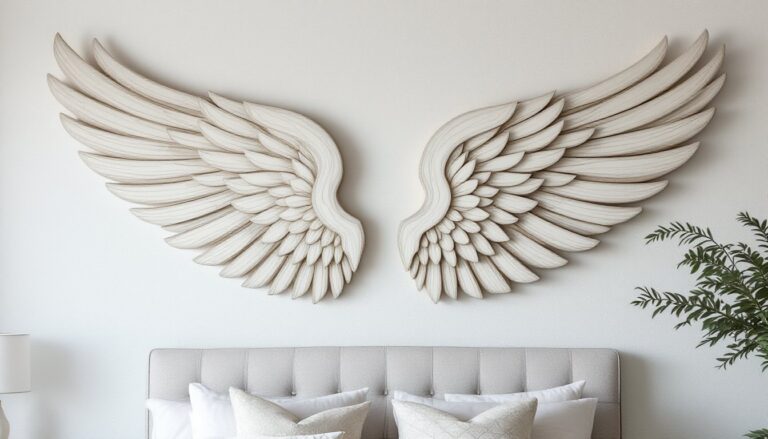
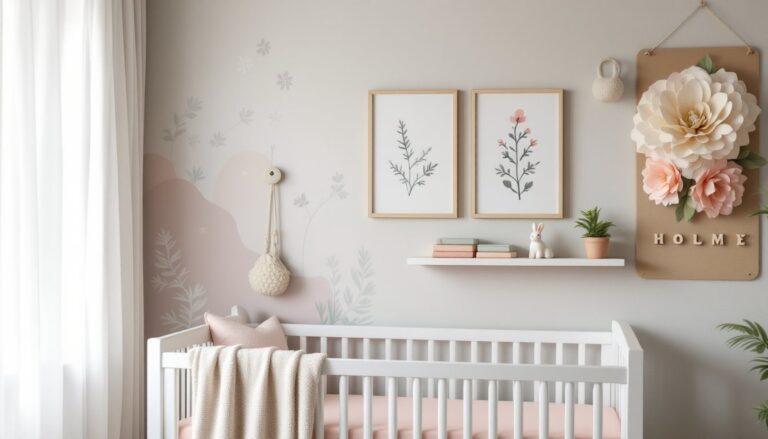
ToggleA decor wall changes the entire feel of a room without requiring a full renovation. Whether it’s a gallery of framed prints in the hallway, a bold accent wall in the bedroom, or reclaimed wood planks behind the sofa, a well-executed decor wall anchors the space and gives it personality. Unlike random artwork stuck to drywall wherever there’s a nail hole, a decor wall is intentional. It’s planned, balanced, and serves as a visual focal point that pulls the room together.
Key Takeaways
- A decor wall creates intentional visual impact by anchoring a room’s design without requiring a full renovation or major renovation investment.
- Gallery walls and accent walls are the two most reliable decor wall approaches—gallery walls cluster framed art for flexibility, while accent walls use bold paint or wallpaper to shift a room’s mood.
- Proper planning prevents costly mistakes: always measure, mock up with painter’s tape, and hang decor at eye level (57–60 inches) for visual balance.
- Simple weekend DIY projects like painted geometric accents, floating shelf galleries, or peel-and-stick wallpaper can transform a room in just a few hours.
- Decor walls work especially well in open-concept homes to define zones and in smaller spaces to create depth without eating up square footage.
What Is a Decor Wall and Why Does It Matter?
A decor wall is a designated wall, or section of wall, where visual elements are deliberately arranged to create impact. It’s not about filling blank space. It’s about using that space to reinforce style, add color, introduce texture, or showcase what matters to the homeowner.
Decor walls matter because they prevent rooms from feeling flat or generic. They give the eye a place to land. In open-concept homes, they define zones. In smaller rooms, they create depth without eating up square footage. And unlike furniture, which requires floor space and budget, a decor wall works within the existing footprint.
From a practical standpoint, decor walls are also forgiving. Painting an accent wall takes an afternoon. A gallery wall can evolve over time. Even wallpaper, once a commitment, now comes in peel-and-stick formats that renters and commitment-phobes can handle. The barrier to entry is low, and the return on visual interest is high.
Popular Decor Wall Styles for Every Home
Choosing a decor wall style depends on the room’s function, the existing palette, and how much time (or money) someone’s willing to invest. Here are two reliable approaches that work across different spaces.
Gallery Walls: Curating a Personal Art Display
Gallery walls cluster framed art, photographs, mirrors, or objects into a cohesive arrangement. They’re flexible, formal grids work in dining rooms, salon-style clusters fit living rooms, and tight symmetrical layouts suit hallways.
Start with layout. Measure the wall space and map the arrangement on the floor first. Use painter’s tape on the wall to mark frame positions before hammering a single nail. Frames should hang at eye level, with the center of the grouping around 57–60 inches from the floor. For larger galleries, this means some pieces sit higher or lower, but the visual midpoint stays consistent.
Mix frame styles sparingly. Three finishes max, black, natural wood, and white is a safe combo. Too many finishes read as chaotic unless the art itself is extremely cohesive. Mat boards add breathing room and make smaller prints feel more substantial. Sawtooth hangers or D-rings work for lighter frames: anything over 10 pounds should use wall anchors or hit a stud.
Gallery walls take time to get right, but they’re endlessly customizable. Swapping out one or two pieces refreshes the whole wall without starting over. Homeowners looking for gym-specific gallery inspiration will find unique takes on motivational graphics and sports memorabilia.
Accent Walls with Bold Paint or Wallpaper
An accent wall uses color, pattern, or material to distinguish one wall from the others. It’s one of the fastest ways to shift a room’s mood.
Paint is the budget-friendly option. Choose the wall that makes sense structurally, typically the one behind the bed, sofa, or fireplace. Avoid walls with windows unless the window is centered and the color complements the natural light. Deep colors (navy, charcoal, forest green) work in rooms with good lighting. Lighter accent shades (sage, blush, warm gray) suit smaller or darker spaces.
One gallon of paint covers roughly 350–400 square feet with one coat. Most accent walls need two coats for even saturation, especially when going from light to dark. Prep matters: fill nail holes with spackle, sand smooth, and use painter’s tape along trim and ceiling lines. Remove the tape while the final coat is still slightly tacky to avoid peeling.
Wallpaper adds pattern and texture paint can’t match. Peel-and-stick versions have improved dramatically in the last few years, they adhere well, remove cleanly, and don’t require paste or a water tray. Traditional paste-the-wall or paste-the-paper options still offer better longevity and a wider design range, but they’re not renter-friendly.
Measure wall height and width, then add 10% extra to account for pattern matching and trimming. Rolls typically cover 28–30 square feet. Smooth the paper from center outward with a plastic smoother to avoid bubbles. Use a utility knife and straight edge to trim excess at baseboards and ceiling. Design enthusiasts exploring modern accent wall treatments will find plenty of bold, current options that push beyond basic stripes.
How to Plan and Design Your Decor Wall
Good design starts with a plan, not a Pinterest board and a credit card.
Identify the focal wall. Walk into the room and note where the eye goes. It’s usually the wall opposite the entry, behind a major piece of furniture, or the one with architectural interest (a fireplace, built-in shelving, or a window). Don’t fight the room’s natural flow.
Measure and mock up. Use blue painter’s tape to outline frames, shelves, or paint boundaries. Step back. Live with it for a day. Adjust. This prevents the “too high, too small, too far apart” regret that comes after the drywall’s already got holes.
Choose a visual weight. If the rest of the room is busy, patterned rugs, bold furniture, heavy window treatments, keep the decor wall simpler. If the space is neutral and minimal, the wall can carry more pattern, color, or texture. Balance matters more than matchy-matchy.
Consider lighting. Picture lights, track lighting, or even a couple of LED puck lights can turn a decent gallery wall into a feature. If installing new electrical isn’t in the budget, battery-powered or plug-in options work fine. Just hide the cords.
Homeowners tackling larger renovation projects often use decor walls as a low-stakes testing ground for color palettes and finishes before committing to whole-room changes.
DIY Decor Wall Projects You Can Start This Weekend
Here are three decor wall projects that don’t require a contractor or a month of weekends.
Project 1: Painted Geometric Accent Wall
Materials: painter’s tape, level, pencil, interior paint (two colors), roller, brush.
Time: 4–6 hours over two days (includes drying).
Map out a geometric pattern, triangles, hexagons, or diagonal stripes. Use a laser level or a 4-foot level and pencil to mark lines. Tape off sections, then paint. Pull tape before paint fully cures. This project works especially well in kids’ rooms, home offices, or behind a TV console.
Project 2: Floating Shelf Gallery with Mix-and-Match Frames
Materials: floating shelves (2–3), frames in varying sizes, wall anchors, drill, level.
Time: 3–4 hours.
Install floating shelves (IKEA Lack or similar) in a staggered or aligned layout. Lean framed art, small plants, and objects on the shelves instead of hanging them. This setup is flexible, swap items seasonally without new holes. Make sure shelves hit studs or use toggle anchors rated for at least 50 pounds per shelf.
Project 3: Peel-and-Stick Wallpaper Feature Wall
Materials: peel-and-stick wallpaper, utility knife, straight edge, smoothing tool, tape measure.
Time: 2–3 hours.
Start at the top corner and work down in vertical strips. Overlap edges slightly, then trim with a sharp blade. Smooth out bubbles as you go. This works great in powder rooms, behind open shelving in kitchens, or in entryways. For beginner-friendly tutorials and real-world transformations, DIY-focused bloggers walk through these installs step-by-step with photos and troubleshooting tips.
Safety note: Wear a dust mask if sanding, and use a step ladder (not a chair). Keep the workspace ventilated when painting or using adhesives.
Common Mistakes to Avoid When Creating a Decor Wall
Even straightforward projects go sideways when the basics get skipped.
Hanging everything too high. Decor should relate to the furniture and the person viewing it, not the ceiling. Center groupings at eye level (57–60 inches), and drop that a few inches if the wall sits behind a sofa or credenza.
Ignoring scale. A single 8×10 frame on a 12-foot wall looks lost. A massive canvas in a tiny powder room feels suffocating. Match the size of the decor to the size of the wall. When in doubt, go bigger than expected.
Skipping the stud finder. Drywall anchors work, but hitting a stud is always stronger and more secure. Use a stud finder (or the knock-and-listen method if you’re old school) before drilling. For items over 20 pounds, anchors alone aren’t enough.
Not accounting for paint sheen. Flat and matte paints hide imperfections but don’t clean well, fine for low-traffic areas. Eggshell or satin works better for accent walls in living rooms, kitchens, and hallways. Save high-gloss for trim, not walls, unless going for a specific bold look.
Rushing the layout. Taping out a gallery wall or shelf arrangement takes 15 minutes. Fixing poorly placed holes takes spackle, sanding, touch-up paint, and regret. Measure twice, mount once.
Forgetting about cords and vents. Check for light switches, outlets, HVAC vents, and cable jacks before committing to a design. Covering or crowding these creates functional headaches. Plan around them or incorporate them into the layout.
A decor wall shouldn’t feel like a risk. With basic planning, the right materials, and a willingness to adjust as needed, it’s one of the most rewarding DIY upgrades a homeowner can tackle. It doesn’t require a permit, a license, or a weekend disappearing into a big-box store. Just a clear idea, some patience, and a level.